
Key Takeaways:
- Mobile apps are transforming how electric vehicle (EV) drivers find, use, and manage charging stations, delivering real-time convenience and reducing range anxiety.
- Artificial Intelligence (AI) and Internet of Things (IoT) technologies integrated into these apps boost efficiency and personalization for users.
- Next-generation solutions are aiming for unified platforms, combining multiple aspects of mobility services to streamline EV navigation and charging.
The Rise of EV Charging Apps
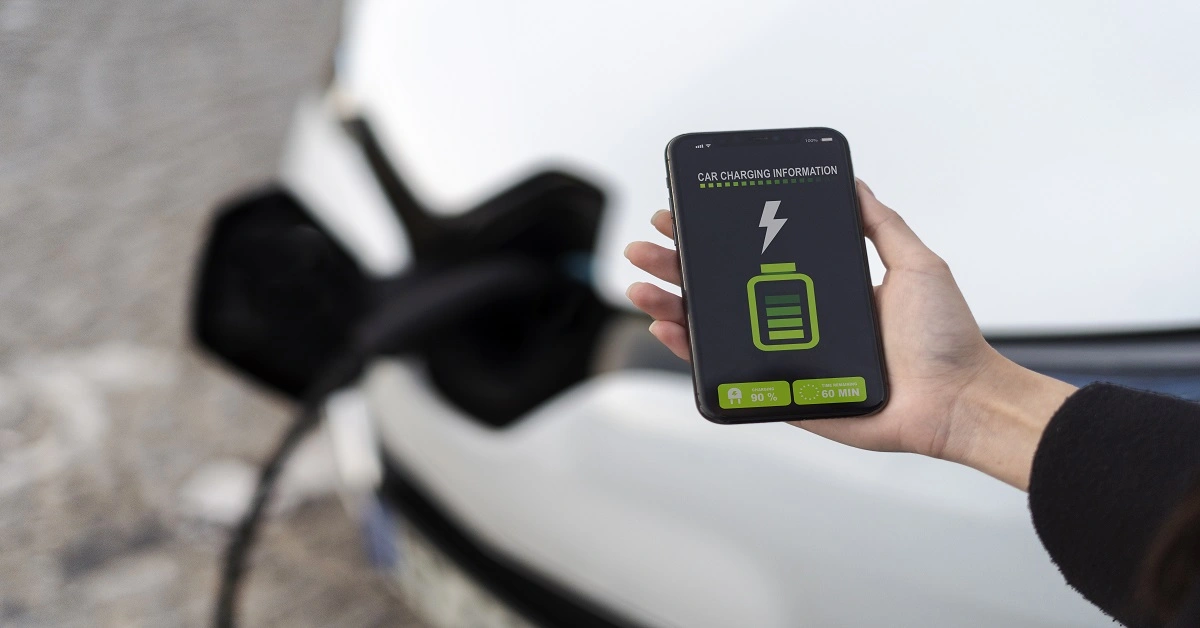
With electric vehicles steadily gaining popularity, the need for reliable and user-friendly charging options has become central in the transportation landscape. Drivers now expect to locate and access charging stations as effortlessly as possible, and innovative mobile applications are stepping up to meet this demand. Through tools that deliver real-time insights into station locations, operational status, and connectivity options, EV users are gaining a sense of confidence previously missing from early adoption. Discovering the best app for EV’s is now a crucial part of the experience, both for daily commutes and longer road trips.
Unlike the traditional approach of searching static maps or hoping an outlet will be available, new EV charging apps allow users to pre-plan stops, check station compatibility, and even filter charging options according to their specific vehicle needs. This dynamic upgrade helps address one of the biggest hurdles in EV adoption: the fear of running out of power, known as “range anxiety.”
Major industry players are moving quickly to support these innovations. Tech giants and automotive companies together recognize that seamless charging access via mobile apps will drive more drivers to consider electric vehicles as a practical, everyday choice.
Significant technological enhancements mean that these platforms now far surpass the original function of simple station finders: they are evolving into personalized, predictive interfaces that offer an ecosystem of related mobility services.
Real-Time Data and Navigation Assistance
Today’s most advanced EV charging apps provide a suite of real-time services. For instance, many can display the charging speed, occupancy status, and pricing at a glance, enabling users to make the most informed decision for their trip. Google Maps recently upgraded its EV charging integration by harnessing AI to estimate when drivers will need to recharge, factoring in their chosen route, vehicle type, and current traffic conditions. This is especially useful in urban environments where the difference between a full and occupied charger can mean serious delays.
By leveraging GPS and up-to-the-minute feeds from charging networks, these apps minimize frustration and wasted time. Many now allow reservations ahead of time, which is especially beneficial in densely populated regions where charging infrastructure is still catching up to demand.
Integration with Smart Technologies
The rapid rise of AI and IoT integration within EV charging apps is proving to be a game-changer. Predictive maintenance alerts notify users if a preferred station is likely to go offline soon, while personalized charging recommendations can adjust in real time as user needs and driving habits change. Some platforms even link up with smart home systems, letting drivers remotely manage household charging setups for optimal energy efficiency and cost savings.
This intersection of intelligent hardware and sophisticated app design is setting the stage for a more sustainable, interconnected mobility future. Data-driven charging strategies are at the heart of the coming advancements for both drivers and power providers.
Enhancing User Experience Through Personalization
Personalization is quickly emerging as a leading trend in EV app development. Platforms use historical charging data, preferred locations, and even driver scheduling habits to propose optimal stations, highlight deals or promotions, and anticipate future needs. Push notifications alert drivers to charging opportunities that match their preferences, streamlining planning for both routine and unexpected journeys. By tailoring the charging journey to each user, app developers are setting new standards for customer engagement and satisfaction.
Furthermore, some charging apps have started supporting cross-platform compatibility, making switching between different vehicles or brands easier for users who own or rent multiple EVs. This adaptability ensures a smooth and unified experience across various types of electric vehicles, which is particularly advantageous for families or businesses operating mixed fleets. With deeper personalization options on the horizon, future apps may leverage machine learning to further optimize not just for the nearest station, but for patterns in user behavior, preferred charging speeds, and optimal cost-savings over time.
Unified Mobility Platforms: The Future Outlook
EV charging apps are now evolving beyond single-use applications and are becoming all-encompassing mobility platforms. Forward-thinking apps are integrating services such as navigational guidance, smart parking, and even micro-mobility bookings, all accessible through one dashboard. Unified platforms aim to provide a simplified experience for drivers, encouraging the use of electric vehicles through synergistic, seamless interactions.
Challenges and Considerations
Even with these exciting advances, there are several critical hurdles to overcome as mobile apps continue to shape the EV charging ecosystem. Data privacy is a paramount concern as apps collect large amounts of personalized travel and usage data. Another issue involves standardization. With multiple charging network operators creating their own platforms, the lack of interoperability can confuse users and impede mass adoption. Developers must also stay vigilant about data accuracy to ensure user trust remains high as more people rely on these platforms for daily mobility.
Ongoing collaboration between app developers, utilities, governments, and automakers will be crucial to overcoming these roadblocks. As regulatory frameworks evolve and public-private partnerships encourage investment in smarter networks, the reliability and coverage of EV charging will continue to improve. User input and feedback collected through apps will also help drive iteration and upgrades, leading to robust platforms finely tuned to real-world demands. This collective approach will help ensure universal charging access and deliver a confident, convenient experience for all users.
Conclusion
Mobile applications are steadily transforming the experience of owning and driving electric vehicles. Through real-time intelligence, integration with smart technologies, and a focus on user personalization, charging apps are helping to lower barriers for would-be EV drivers. The industry’s path forward includes unified mobility platforms and continuing innovation, ensuring that the future of EV charging is connected, efficient, and centered around user needs.